The small but vibrant community from Goa, Daman and Diu in Macao has been making its presence felt in Macao, a multicultural territory under Chinese rule, with people hailing not only from Portuguese-speaking countries but also from other walks of life.
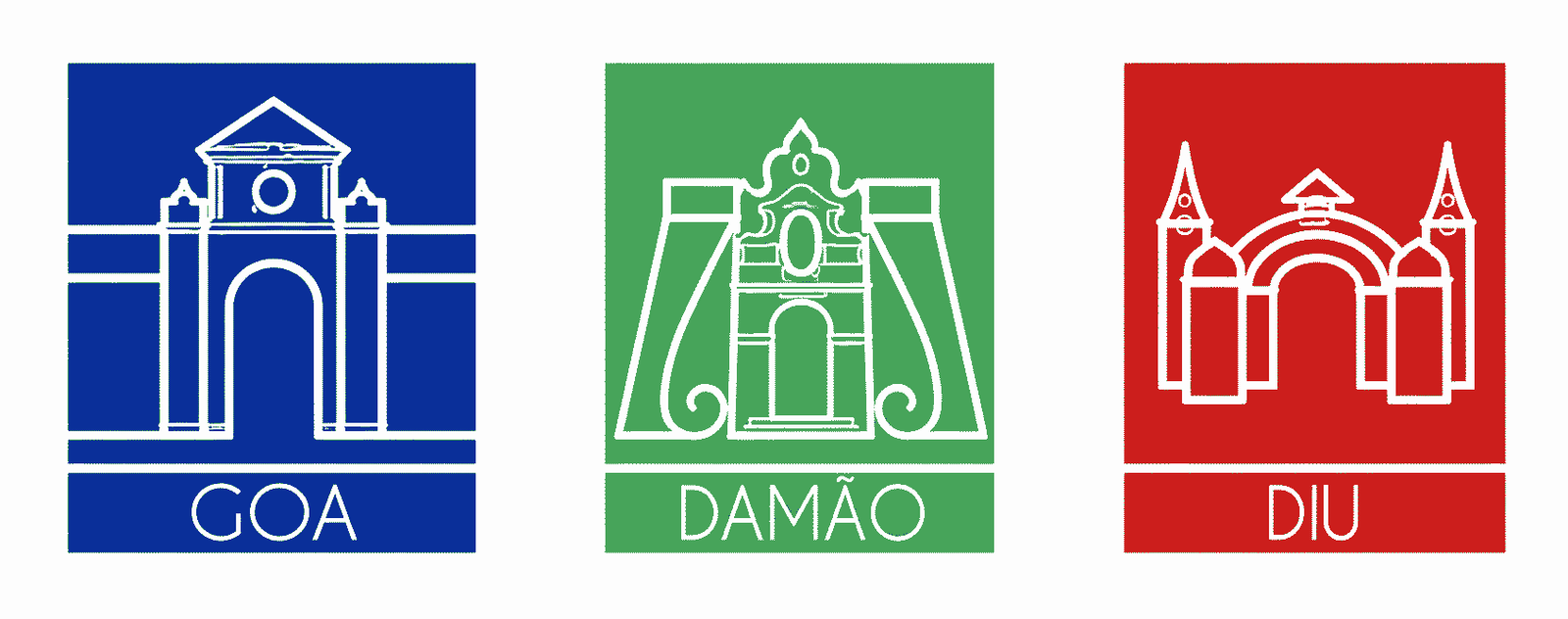
The art, culture and cuisine of Goa, Damão and Diu are well known and much appreciated in Macao. For years, through the “Goa, Damão and Diu Dance and Song Group”, popular songs and dances such as Aum Saibá Poltodi Vétam, Barra de Damão, O’ Divan de Mogará and others have been practically ingrained in the hearts of the Portuguese, Chinese and other communities. The people of Macao are well acquainted with the historical and religious monuments through the construction of replicas of the Vis-Roi Arch in Goa, the Fort of São Jerónimo in Damão, the Fortim do Mar in Diu and other monuments. They have also acquired a taste for our Sarapatel, Chamuças, Bebinca, Aranha do Céu, Bolinhas de Coco and many others.
With our presence so deeply rooted in Macao, the organisers of cultural and diplomatic events in Macao—particularly those linked to Portuguese culture—cannot simply exclude us from participating. The Goa, Damão and Diu Dance and Song Group has been promoting and enlivening occasions such as ‘Camões Day… of Communities and Portuguese Heritage’ or 10 June, Macau City Day, which falls on 24 June and coincides with the Feast of St John, and which was a public holiday until Portuguese rule – unfortunately, it is no longer so. This popular ‘Feast of St John’ was revived after having been suspended for a few years. The ‘Goa, Damão and Diu Dance and Song Group’ has always been invited to perform on this day, when we do not hesitate to show that we too celebrate St John’s Day by singing ‘São João, São João. São João…dai nos…’, ‘Rio Sandalcalo’ etc. Even papdi and Gunn, a local fruit seasoned in vinegar and water – (the ‘aceitonas’ of Damão).
Most importantly, we are taking part in the “Festa de Lusofonia”, organised by the Macao Institute for Civic Affairs (formerly the Leal Senado de Macao) and the Macao Government’s Tourism Affairs Bureau. This annual event began in 1998 and has become a key event for the local government as a tourist attraction. Participating countries such as Macau, Portugal, Angola, Mozambique, Guinea-Bissau, São Tomé and Príncipe, Cape Verde, Brazil, Timor, and Goa, Damão and Diu promote their art, culture and cuisine.
It’s no wonder: Goa, Daman and Diu have been making a name for themselves with their magnificent exhibitions, and our pavilion has won first, second or third prize practically every year. With life-size replicas of monuments, decorated interiors, traditional costumes, handicrafts, cashew fenni, posters, Indian spices, not to mention the grinding stone (rogdo in Konkani and pedra de moeira tempeira in Damão-Diu), the clay water pot (gurgulo in Konkani and calão in Damão-Diu), the coconut grater (gantonem/… … in Konkani and ralador de côco in the Portuguese of Damão and Diu), all of this brought from Goa, Damão or Diu. Thanks to the talent of some members of our community, visitors, tourists and organisers are amazed. The participating countries never doubt that we should be awarded a prize for the most original and artistic pavilion, where our effort, time, dedication, craftsmanship and, above all, originality are showcased year after year.
The Goa, Damão and Diu Dance and Song Group, with its local yet high-quality talent, was praised for our traditional songs, dances and costumes. Even the locals, and in particular the Portuguese children who are part of the group, know how to sing: Aum saibá poltodi vétam, Damulea lognacú vétam, maka saibá vattu dacoi maka saibá vattu collonam….,
Damão Bar……
Our delicious sarapatel, xacuti, kebabs, samosas, bhajias, potato bhaji, chapattis, bebinca, cakes, aranhas do ceu and more have been making the mouths of locals and tourists water, prompting them to return to our pavilion for more.
As far as religious matters are concerned, the local community in Macau has come to appreciate the devotion of Catholics from Goa, Daman and Diu. For many years now, 3 December has been celebrated in honour of our patron saint, St Francis Xavier. A Eucharistic celebration in Konkani/Portuguese/English, culminating in the hymn ‘São Francisco Xavierá… Tuji kuddi Goem xará…’ to the patron saint of Goa, is attended by the community from Goa, Damão and Diu, as well as local devotees of St Francis Xavier.
And with candles in their hands, just as the people of Damão do on the steps of Damão Town Hall, the local community of Damão has been celebrating the Feast of Nossa Senhora das Candeias on 2 February for the past 14 years.
And, of course, the festivities are accompanied by traditional food, singing and dancing. All of this is enjoyed by our local guests. To be honest, the people in our community also look forward to our traditional, spicy and mouth-watering food.
The rosary with the Litany and the Stations of the Cross are also organised by our community, with local residents taking part as well.
For years, the Goa-Damão-Diu community, both past and present, has maintained a strong presence in Macao.