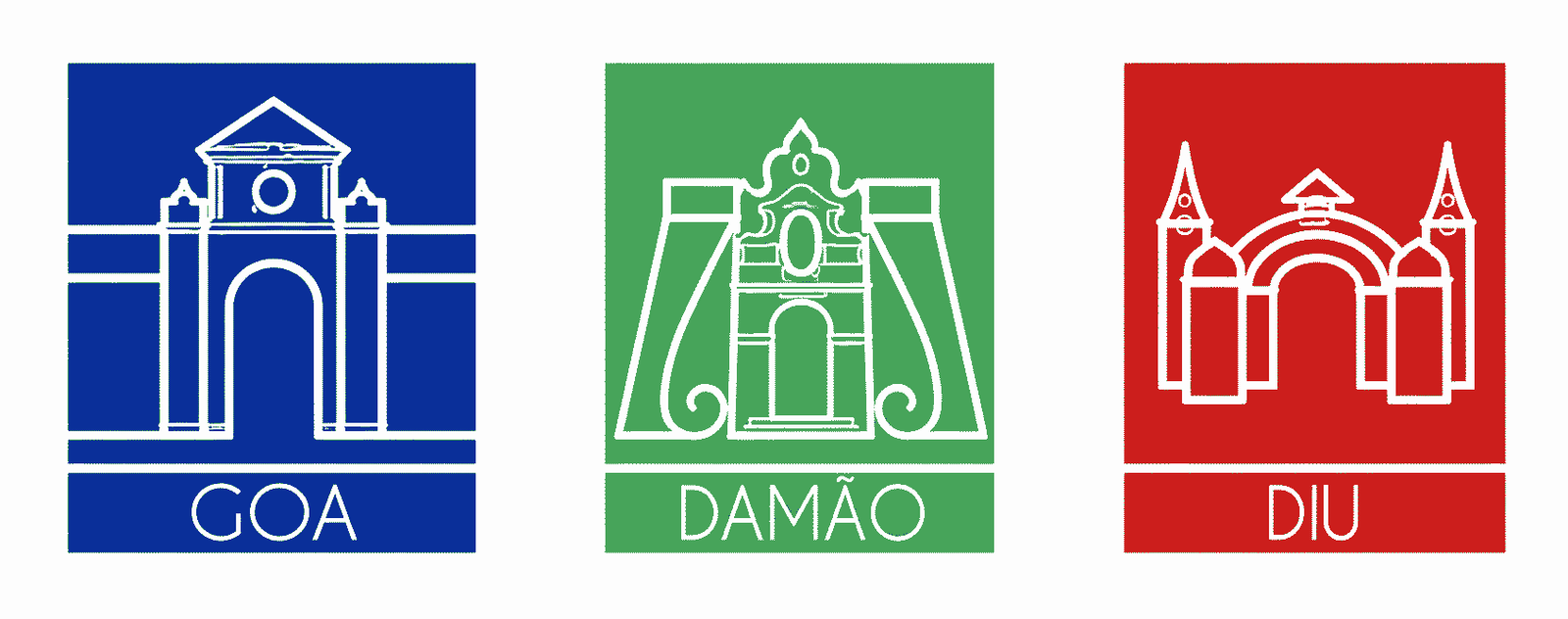
The Cultural Heritage and History of Goa, Daman and Diu
The Portuguese presence in Goa, Damão and Diu has significantly shaped the cultural legacy of these regions, resulting in a rich fusion that endures to this day. Portuguese colonisation brought not only a variety of architectural influences, but also religious and culinary practices that have become intertwined with local traditions. Baroque-style churches, such as the famous Bom Jesus Basilica in Goa, exemplify the grandeur of Portuguese architecture, whilst religious festivals reflect the convergence of Christian and local celebrations.
In addition to its architecture, the cuisine of Goa, Daman and Diu is a vibrant example of this cultural intersection. Dishes such as vindaloo and galinha à cafreal showcase the use of native spices combined with culinary techniques brought by the Portuguese colonisers. This blend has resulted in a unique cuisine, which is a symbol of cultural identity and a unifying force between communities. For many, festivals and celebrations, such as Carnival and the Fiesta de São João, are occasions when Portuguese and Indian cultures come together in harmony.
The life stories of the Portuguese who settled in these regions, as well as those of the indigenous communities, are key to understanding the impact of colonisation. Many forged bonds and created a new identity that incorporated elements of both cultures. Local traditions, such as wedding celebrations and rituals, often combine Catholic rites with elements of Indian culture, revealing a rich cultural tapestry. This interdependence fostered an environment where cultural dialogue flourished, making Goa, Damão and Diu living examples of the vibrant Portuguese diaspora and heritage in Asia.
Macau: A Meeting of Cultures and Traditions
Macau, one of China’s special administrative regions, stands as a striking example of the enduring influence of Portuguese culture in the 21st century. Following the handover in 1999, Macau has established itself as a true meeting point between Eastern and Western traditions, where the Portuguese heritage is still visibly preserved. This fusion of cultures is evident in various aspects, including festivals, cuisine, architecture and, significantly, the language.
Festivals in Macau reflect this cultural diversity, incorporating both Chinese and Portuguese traditions. One example is the famous Rua do Almeida Festival of Madness, which celebrates the Sanção a Maria and features folk dances, traditional cuisine and religious events, all weaving Portuguese heritage into the local context. Another major event is the Chinese New Year, which intertwines with Portuguese celebrations, creating a vibrant atmosphere rich in symbolism.
In the culinary sphere, the Portuguese influence is evident in dishes that combine ingredients and techniques from both cultures. Dishes such as the famous “bacalhau à Brás”, alongside delicacies such as “dim sum”, demonstrate how Macau’s cuisine takes an eclectic approach, with influences ranging from fresh local seafood to Portuguese spices. This culinary diversity contributes to the region’s distinct cultural identity.
Furthermore, the Portuguese language remains a significant legacy in Macao, where it is one of the official languages. Although Mandarin and Cantonese are predominant, the use of Portuguese in public documents, education and street signage demonstrates how the language continues to be woven into everyday life and to highlight the legacy of Portuguese colonialism.
Macau therefore represents not only a continuation of Portuguese culture, but also a model of how traditions can adapt and remain resilient in an ever-changing world. The Portuguese diaspora, reflected in Macau’s social and cultural structures, highlights the importance of these cultural interactions in shaping regional identity.