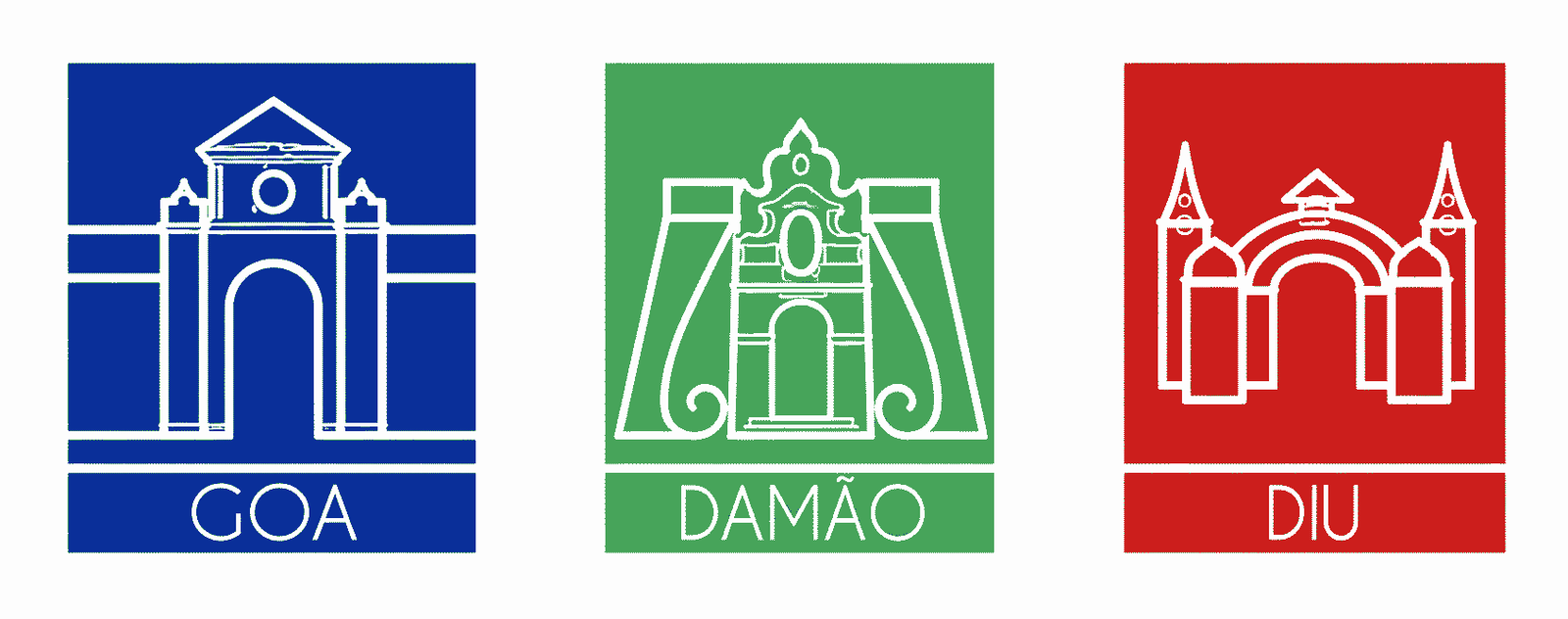
Portuguese Cultural Influence in Goa, Damão and Diu
The Portuguese presence in Goa, Damão and Diu has had a lasting impact on the local culture, which is reflected in a variety of artistic, religious and social expressions. The Portuguese cultural heritage is particularly evident in the cuisine, where dishes such as vindalho, feijoada and the popular coconut milk ice creams reveal the fusion of local ingredients and European techniques. This culinary hybridisation is a testament to the adaptability of Portuguese traditions in their new home, allowing different influences to blend in a unique and delicious way.
Music also plays a significant role in preserving Portuguese culture in these regions. The use of traditional instruments, such as the guitar and the concertina, combined with traditional Indian rhythms, results in a unique sound that continues to be celebrated at festivals and celebrations. Dances, such as the famous “Danza de São João”, exemplify this cultural blend, incorporating elements from both Portuguese tradition and indigenous dances, creating a true cultural syncretism that resonates across the Indian subcontinent.
Religious festivals, such as Christmas and Easter, are marked by typically Portuguese customs and are accompanied by vibrant celebrations that include processions and folk music. This continuity of traditions illustrates how the descendants of the Portuguese diaspora keep their roots alive whilst intertwining them with local practices. Cultural institutions, such as schools and community associations, also play a crucial role in preserving and teaching Portuguese traditions, providing a space where colonial history is remembered and reinterpreted. Thus, Portuguese cultural influence has proven not only persistent but also dynamic in the region, shaping identities that evolve over time.
The Portuguese Diaspora in Macao and its Cultural Contribution
The Portuguese diaspora in Macao, although dating back to the 16th century, continues to have a significant impact on local culture. The intertwining of Portuguese and Chinese traditions results in a distinctive multicultural atmosphere that is palpable in various aspects of daily life. The cuisine, for example, offers a rich mosaic of flavours that reflects this fusion. Dishes such as the famous bacalhau à brás sit alongside typical Chinese delicacies, creating a unique gastronomic experience that attracts both residents and tourists.
In addition to cuisine, festivals play a crucial role in celebrating cultural heritage. Festivals such as St John’s Day and the Feast of Our Lady of Penha are examples of how the Portuguese community continues to honour its traditions whilst sharing them with the local population. The ceremonies are often accompanied by traditional dances and music that highlight the cultural richness of the diaspora. This cultural interaction creates a festive atmosphere that promotes intercultural dialogue and friendship among Macau’s different ethnic groups.
Architecture also serves as an important link between Portuguese and Chinese traditions. Colonial buildings, such as the Church of São Lázaro and Largo do Senado, are visible reminders of the city’s Portuguese heritage. The architectural style, which combines European and Asian elements, creates an urban landscape that tells the story of the Portuguese presence and the peaceful coexistence of different cultures.
Cultural initiatives have emerged to preserve and promote Portuguese culture in Macao. Dance and music groups, as well as cultural centres, are dedicated to teaching and sharing these traditions with younger generations. Community projects have proved effective in promoting cultural heritage, encouraging young people to play an active role in maintaining and adapting these traditions to a contemporary context. The challenge remains to balance cultural evolution with the preservation of the unique identity that has characterised the Portuguese diaspora in Macao over the centuries.