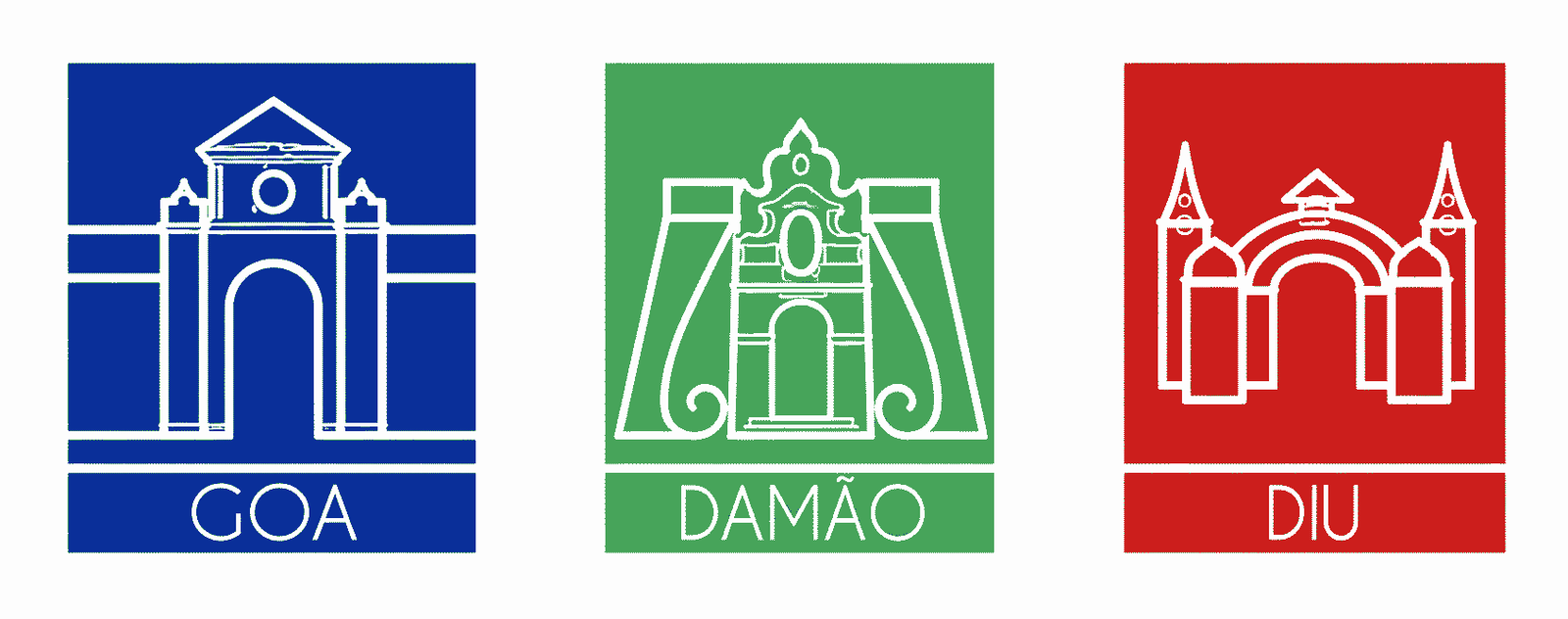
The Cultural Legacy of the Portuguese Diaspora
The Portuguese diaspora, particularly those from regions such as Goa, Damão and Diu, played a significant role in shaping Macao’s culture. Over the centuries, these immigrants brought with them a wealth of traditions, festivals and customs that have been preserved and, in many cases, adapted to their new surroundings. This interplay of cultures has resulted in a unique tapestry that sets Macao apart, reflecting the region’s multicultural heritage.
Festivities play an important role in cultural expression in Macao. Among the celebrations that have become iconic is St John’s Day, which is celebrated with great enthusiasm. This festival, which has its roots in Portuguese traditions, is marked by dances, music and traditional dishes that hark back to Goan origins. Furthermore, the Macao Carnival, influenced by Portuguese traditions, is a vibrant expression of local creativity, where elements from Goa, Daman and Diu intertwine, enriching the city’s cultural experience.
Another important aspect is the preservation of culinary traditions. The gastronomic traditions brought over from Portuguese India are evident in the diversity of dishes that have become an integral part of Macau’s culinary history, such as the famous Goan curry and various delicacies that blend Eastern and Western flavours. These delicacies not only reflect the influence of the diaspora, but also show how, over time, Macao’s cuisine has become a meeting point for different cultures.
The cultural elements brought by immigrants from Goa, Damão and Diu have had a profound impact on Macau’s local identity. The interaction between these traditions and other cultural aspects present in the region, such as Chinese traditions, creates a diverse and dynamic environment that continues to evolve. This cultural legacy represents not only the history of the immigrants, but also a celebration of the multicultural coexistence that characterises Macao. In conclusion, the Portuguese diaspora has made an indelible contribution to the formation of a rich and multifaceted identity, which remains a source of pride for the local community.
Contemporary Cultural Interactions: Macau as a Meeting Place of Cultures
Macau, recognised as one of the world’s most cosmopolitan cities, serves as a backdrop for a rich tapestry of contemporary cultural interactions. With a history marked by Portuguese influence and the presence of diverse communities, the territory stands out for its promotion of artistic practices and festivals that celebrate this cultural diversity. The Portuguese diaspora in Macau continues to play a central role in this context, creating an environment conducive to dialogue between different traditions and ways of life.
Events such as the Macao International Music Festival and the Festival of St John provide significant platforms where cultural expressions intertwine. These festivals not only promote local traditions but also encourage the participation of artists from different backgrounds, resulting in collaborations that enrich the region’s arts scene. For example, the fusion of traditional music with contemporary elements reflects the evolution of cultural practices, highlighting how new generations reinterpret and adapt inherited traditions.
Furthermore, the new generations of descendants of immigrants, including those of Goan, Damanese and Diu origin, play a crucial role in Macau’s cultural revitalisation. By embracing their cultural heritage, these young artists and communities work to keep the connection to their roots alive, whilst integrating into the city’s dynamic environment. The result is a rich cultural mosaic where multiple influences merge, giving rise to new forms of expression that challenge traditional cultural categories.
Macau is therefore not only a melting pot of diverse cultures, but also a place where these contemporary interactions foster a deeper understanding and appreciation of the diversity that defines the region’s cultural identity. This blend of tradition and innovation makes Macau a remarkable example of how cultures can coexist and thrive in a globalised world.