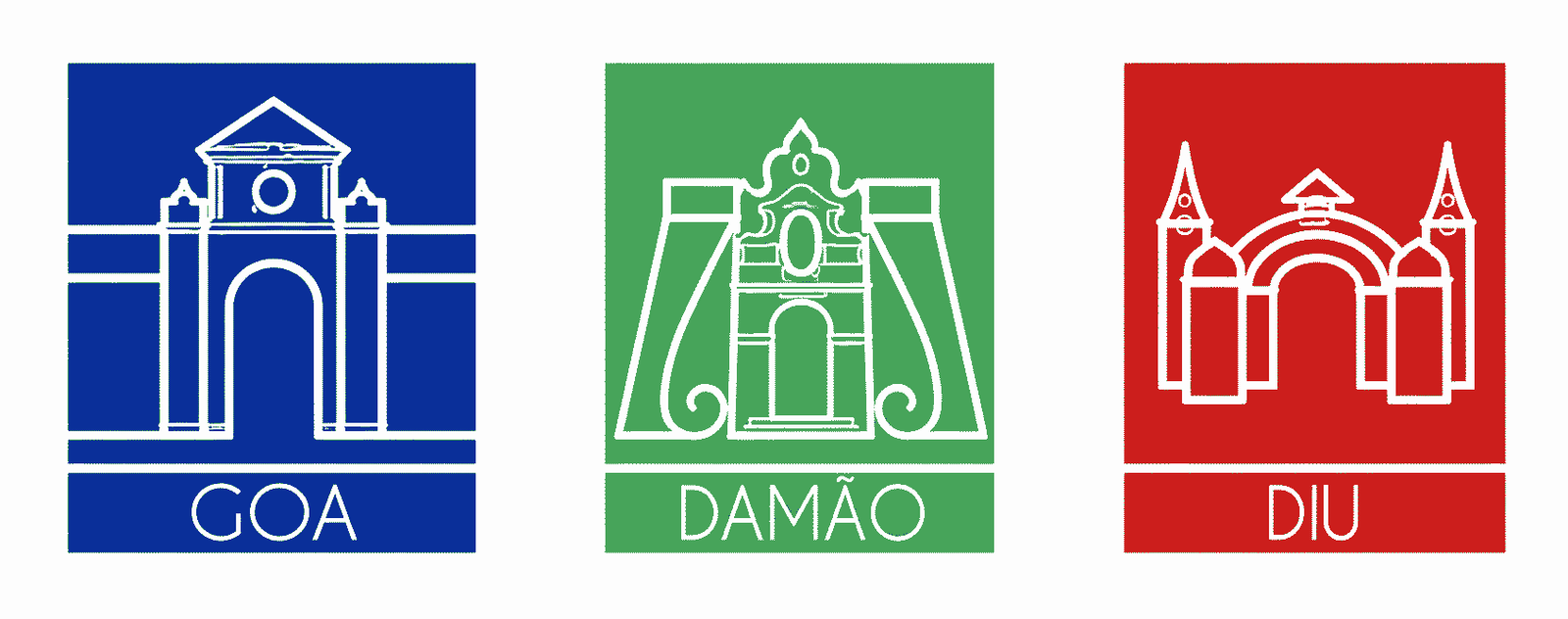
The Historical and Cultural Roots of the Portuguese in Goa, Daman and Diu
The Portuguese presence in the regions of Goa, Damão and Diu dates back to the 16th century, when Portuguese navigators reached the Indian coast, establishing a colonial empire that was to last for several decades. Portuguese colonisation not only influenced the political and economic landscape of these areas, but also profoundly shaped the local culture. From the introduction of Christianity to the spread of culinary traditions, the Portuguese heritage is evident in various aspects of daily life and popular celebrations.
One of the most significant aspects of Portuguese culture that has endured in Goa, Damão and Diu is the cuisine. Traditional dishes such as the famous vindalho and the various variations of Portuguese-style fish are a direct legacy of colonisation, which incorporated local ingredients with European culinary techniques. These influences are still celebrated at festivals and social gatherings, reflecting the strong cultural exchange that has taken place over the centuries.
In addition to cuisine, music and festivities also illustrate the evolution of Luso-Asian culture. Instruments such as the guitarrão and the guitar are common at religious celebrations and popular festivals, where the dances reflect a fusion of indigenous and Portuguese styles. Celebrating festivals such as Carnival and St John’s Day is a true demonstration of the historical roots that still resonate strongly within local communities.
The experiences of immigration and adaptation within the Portuguese community are equally significant. Notable figures, such as traders and missionaries, contributed to the socio-cultural dynamics of the regions, often serving as a link between Portuguese traditions and the local culture. These exchanges shaped a vibrant and multi-layered cultural environment, where Portuguese heritage remains a vital part of the identity of the people of Goa, Daman and Diu.
Portuguese Cultural Influence in Macao and Its Links with India
The intersection of Portuguese and Indian cultures is a fascinating aspect of Macao, a place where cultural traditions and practices remain a vibrant part of everyday life. The Portuguese presence in Goa, Damão and Diu left a significant legacy that is now reflected in various cultural expressions in Macao. Dance, for example, is a form of expression that exemplifies this influence. The folk dances that arrived from Goa and other regions of India have been adapted over the years, becoming part of religious festivals and local celebrations, keeping the Portuguese cultural heritage alive.
Music also plays a crucial role in this cultural exchange. Musical genres such as traditional Goan music coexist with Macao’s popular music styles, creating a soundscape that is both unique and familiar. Similar rhythms found in Goan communities are often heard during festivals in Macau, where the work of local musicians reflects the fusion of Portuguese heritage with South Asian influences.
Our religious rituals are another important facet of this interculturalism. Celebrations such as the Feast of St John, which has Portuguese roots, are observed with great fervour in Macao, revealing not only the continuity of traditions but also their adaptation to the local context. Furthermore, the blend of indigenous and Catholic religious practices in regions such as Goa can be seen in Macanese festivities, fostering a rich cultural dialogue. This multidimensionality in Macau’s identity highlights both the similarities and differences present in the traditions of the former colonies, reflecting a cultural heritage that is alive and constantly evolving.