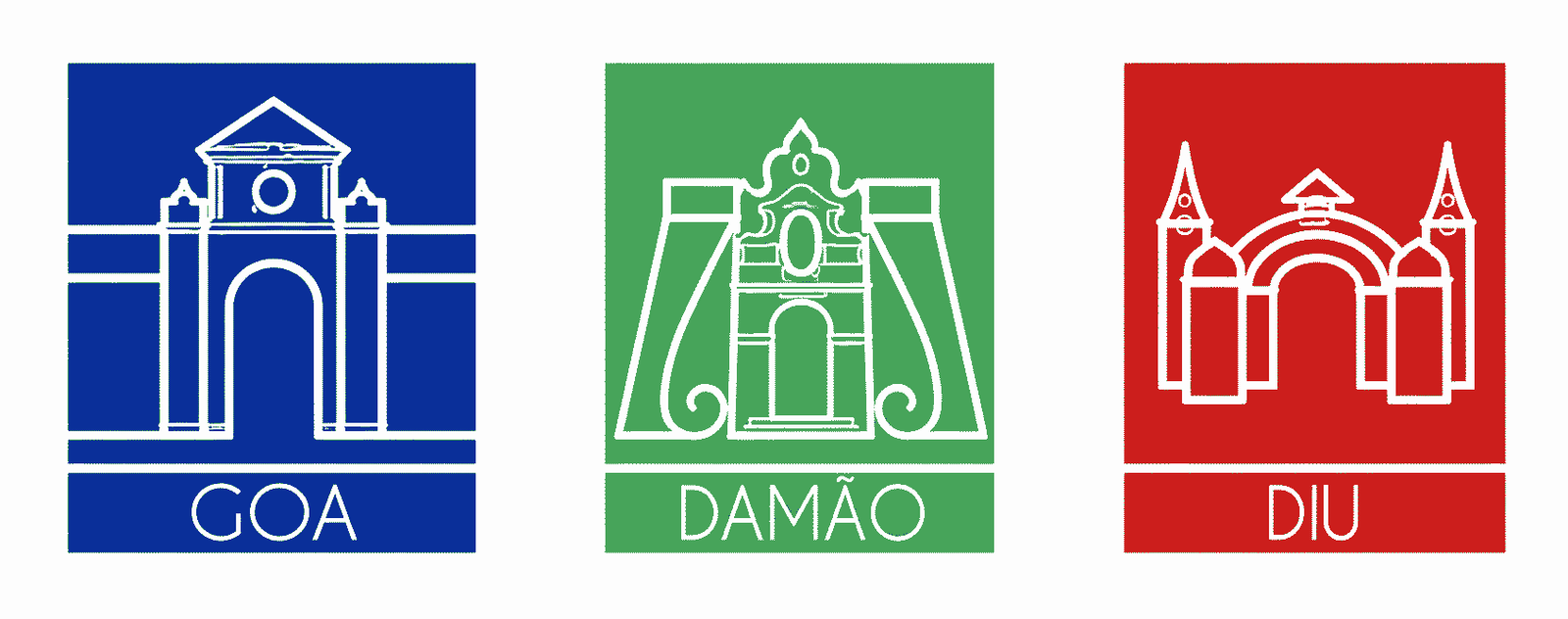
The Influence of the Goan, Damese and Diuese Communities in Macao
The presence of communities from Goa, Damão and Diu in Macao has fostered a rich cultural exchange, enriching the traditions and way of life of this territory. Each of these communities has made a significant contribution through its unique characteristics, fostering a multicultural environment that is reflected particularly in the local cuisine, festivals and religious practices.
When it comes to cuisine, the richness of Indian flavours is evident in Macau’s traditional dishes. Goan cuisine, with its variety of curries, spiced fish and sweets, has become part of the Macanese palate, creating a delicious fusion. The famous xacuti dish, for example, is reminiscent of Goan cuisine and can be found in many local restaurants, adapted to the region’s ingredients and techniques. Religious festivals also bear witness to this influence, with celebrations such as the Feast of St John and the Feast of the Holy Cross incorporating elements of Indian traditions, reflecting a cultural syncretism that has become an integral part of community life in Macau.
The integration of these festivities is another aspect that highlights the peaceful coexistence between cultures. The Diwali Festival, for example, is celebrated with great enthusiasm, reflecting the presence of the Goan and Diu communities in the city. During this period, people engage in practices such as lighting oil lamps and sharing meals, which strengthen community bonds. In turn, festivities in Macau, such as Christmas and the Chinese New Year, also incorporate elements of these traditions, demonstrating cultural interconnection.
Furthermore, religious practices—where Catholic churches and Hindu temples coexist peacefully—demonstrate the respect and harmony that exist between different traditions. The communities from Goa, Damão and Diu brought with them not only their beliefs, but also a way of life that values cultural diversity, making Macao a model of coexistence and cultural richness.
Artistic and Cultural Expressions in Macao: A Manifestation of the Portuguese Diaspora
Macau’s rich cultural tapestry is intricately linked to the traditions left behind by the Portuguese community, particularly those from Goa, Damão and Diu. These immigrants brought with them a variety of artistic expressions that have become an integral part of Macau’s cultural identity. The arts, music and dance not only reflect the history and roots of these communities, but also foster a vibrant dialogue between cultures.
Cultural events, such as the Macao International Arts Festival, showcase performances that incorporate elements of traditional Goan dance, such as the ‘dandiya’ and the ‘garba’, highlighting the region’s rich folk heritage. Such festivals not only attract local attention but also have international appeal, enabling communities to present their artistic traditions on a global stage. Music also plays a crucial role, with songs in Portuguese performed alongside Indian rhythms, resulting in a unique fusion that resonates with Macau’s diverse cultural layers.
Artistic initiatives that involve the community, such as dance workshops and music lessons, are essential for passing on cultural heritage. These spaces encourage interaction between young people and adults, fostering an understanding of traditions and the ability to reinterpret them in line with the contemporary context. Furthermore, collaboration with artists from other cultural backgrounds in Macau fosters an atmosphere of mutual respect and appreciation, which is essential for strengthening the social identity of the Portuguese community.
Thus, Macao’s artistic expressions are not only a manifestation of the Portuguese diaspora, but also a testament to the resilience and vitality of a culture that continues to evolve, reflecting the diversity and unity that characterise Macao society. This cultural interconnection enriches the city’s artistic landscape and reaffirms the role of the Portuguese community in shaping Macao’s cultural identity.